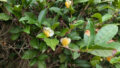
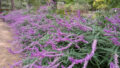
Lantana, known as “Shichihenge” (Seven Changes) in Japan, stands as one of the most vibrant and resilient flowers in Japanese summer gardens. This tropical beauty has captured the hearts of gardeners across Japan with its remarkable ability to change colors throughout its blooming period and its extraordinary power to attract butterflies. From the warm gardens of Kagoshima to urban balconies in Tokyo, lantana has become an essential element in creating dynamic, living gardens that celebrate both beauty and biodiversity.
What is Lantana: Tropical Flowers Beloved in Japanese Gardens
Lantana belongs to the Verbenaceae family and originates from Central and South America. The scientific name Lantana camara was first documented in Carl Linnaeus’s “Species Plantarum” in 1753, making it one of the earliest scientifically recorded flowering plants.
Lantana is believed to have been introduced to Japan during the 19th century, particularly to regions like Okinawa and the Ogasawara Islands. Since then, it has established itself as a beloved garden plant throughout Japan. The Japanese name “Shichihenge” perfectly captures the plant’s most fascinating characteristic – its ability to transform flower colors as blooms mature. What begins as a cluster of yellow buds may gradually shift through orange to deep red, creating a living rainbow effect within a single flower head.
The plant typically grows between 30 to 200 centimeters in height, though with proper management, it can be maintained at more compact sizes suitable for container gardening. Small individual flowers, measuring only a few millimeters each, cluster together to form distinctive pompom-shaped flower heads that resemble miniature fireworks displays.
How to Grow Lantana in Japan’s Climate
Japan’s diverse climate zones present both opportunities and challenges for lantana cultivation. The plant’s tropical heritage makes it exceptionally well-suited to Japan’s hot, humid summers, but winter management requires careful attention.
Planting Requirements
Lantana thrives in full sun locations receiving at least 6 hours of direct sunlight daily. The plant prefers well-draining soil and can actually perform better in slightly poor soils than in overly fertile conditions. Rich soils may encourage excessive leafy growth at the expense of flower production.
Regional Considerations
| Climate Zone | Winter Treatment | Growth Pattern |
|---|---|---|
| Okinawa/Kyushu Southern | Can remain outdoors year-round | Continuous blooming |
| Central Japan (Tokyo-Osaka) | Requires frost protection | May die back, regrows from roots |
| Northern Regions | Indoor overwintering recommended | Annual treatment often necessary |
The key to successful lantana cultivation in Japan lies in understanding your local winter conditions. In areas where temperatures regularly drop below approximately -2 to -3°C, container cultivation offers the best solution, allowing plants to be moved indoors during cold months.
Why Lantana Attracts Butterflies
Lantana’s reputation as a butterfly magnet stems from several biological factors that make it irresistible to these pollinators. The flowers produce abundant, high-quality nectar that butterflies can easily access through the plant’s tubular flower structure.
Research has shown that butterflies possess ultraviolet vision, allowing them to detect nectar sources invisible to human eyes. Lantana flowers reflect specific UV patterns that signal “nectar available” in the butterfly world. Additionally, the clustered flower arrangement provides an efficient feeding platform where butterflies can access multiple nectar sources without expending excess energy.
Japanese butterfly enthusiasts frequently observe various species visiting lantana gardens, including Swallowtails (Papilio species), Cabbage Whites (Pieris rapae), and various Skipper butterflies (Hesperiidae family). The plant’s extended blooming period from May through fall (sometimes extending to November depending on the region) ensures a reliable food source throughout the active butterfly season.
Popular Lantana Varieties in Japan
Standard Lantana (Lantana camara)
The most commonly cultivated type in Japan, featuring the classic color-changing flowers. Popular cultivars include ‘Confetti’ with pink and yellow bicolored blooms, and various solid-color selections in orange, red, white, and yellow.
Trailing Lantana (Lantana montevidensis)
Also known as Kobano-lantana in Japanese, this variety offers a spreading, ground-cover growth habit. It typically produces purple or white flowers that don’t change color but provide excellent coverage for slopes or hanging baskets. This variety tends to show somewhat better cold tolerance compared to standard lantana, though individual cultivars may vary.
Modern Cultivars
Recent breeding programs have developed compact, sterile varieties that don’t produce seeds – addressing environmental concerns while maintaining ornamental value. These modern cultivars often feature improved flower power and more controlled growth habits.
Seasonal Lantana Care in Japan
Spring (March-May)
Spring marks the beginning of active growth for lantana. This is the optimal time for planting, transplanting, and major pruning. Remove any winter-damaged stems and apply balanced fertilizer to encourage robust new growth.
Summer (June-August)
The peak blooming season requires consistent watering, particularly during Japan’s intense summer heat. Daily watering may be necessary for container plants. Regular deadheading encourages continuous flowering, while light pruning maintains plant shape.
Autumn (September-November)
Continue regular care while preparing for winter dormancy. Reduce fertilization in late autumn and begin planning winter protection strategies for outdoor plants.
Winter (December-February)
In most of Japan, lantana enters dormancy. Container plants should be moved to protected locations, while garden plants may need mulching or covering in areas prone to frost.
Common Problems and Solutions
Environmental Concerns
Lantana appears on Japan’s official list of invasive alien species (Ministry of the Environment’s “List of Invasive Alien Species for Ecosystem Damage Prevention”) due to its naturalization in warmer regions like Okinawa and the Ogasawara Islands. Responsible cultivation involves:
- Choosing sterile cultivars when possible
- Regular deadheading to prevent seed formation
- Proper disposal of pruned material
Pest and Disease Management
Lantana’s natural resilience makes it relatively problem-free. However, aphids occasionally appear on new growth, while spider mites may become problematic during hot, dry periods. Beneficial insects attracted to lantana flowers often provide natural pest control.
Winter Damage Recovery
Plants that appear dead after winter cold may regenerate from surviving root systems. Wait until late spring before declaring plants lost, as new shoots often emerge from the base.
Garden Design Ideas with Lantana
Butterfly Garden Creation
Combine lantana with other nectar plants like pentas, salvia, and native Japanese wildflowers to create comprehensive butterfly habitats. Position lantana as mid-border plants where their colorful displays can be appreciated while allowing butterfly observation.
Container Garden Combinations
Lantana pairs beautifully with complementary heat-lovers like coleus, vinca, and ornamental sweet potato vines. Use trailing varieties in mixed hanging baskets for cascading color effects.
Traditional Japanese Garden Integration
While not a traditional Japanese plant, lantana can be incorporated thoughtfully into contemporary Japanese gardens through careful color coordination and restrained placement. Consider white or pale yellow varieties for more subtle integration.
The Flowerpark Kagoshima showcases excellent examples of lantana integration in landscape settings, demonstrating how these vibrant plants can enhance rather than overwhelm garden compositions.
Conclusion
Lantana represents the perfect marriage of beauty and function in Japanese gardens. Its remarkable heat tolerance, extended blooming season, and butterfly-attracting properties make it an invaluable addition to summer landscapes. While environmental responsibility requires mindful cultivation practices, the joy of watching butterflies dance among color-changing flowers makes lantana a worthy investment for any Japanese garden.
As climate change continues to influence Japanese growing conditions, lantana’s adaptability positions it as an increasingly important component of sustainable, wildlife-friendly garden design. By choosing appropriate varieties and following responsible growing practices, Japanese gardeners can enjoy lantana’s spectacular displays while contributing to local ecosystem health.
Whether grown in expansive rural gardens or compact urban containers, lantana brings the vibrant energy of the tropics to Japanese gardens, creating spaces that celebrate both horticultural beauty and natural biodiversity.