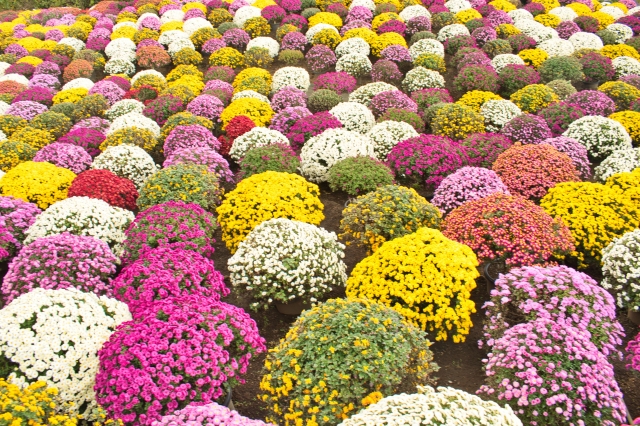
When you walk through Japan during any season, you’ll notice something remarkable: people pause to admire flowers with an intensity that goes beyond casual appreciation. This deep connection between Japanese culture and flowers isn’t simply about aesthetics. It represents a profound philosophical relationship with nature, time, and the human experience itself.
For over a thousand years, Japanese people have imbued flowers with meanings that reflect seasonal changes, emotional states, and life’s impermanence. This practice transforms simple blooms into carriers of cultural wisdom, emotional expression, and spiritual understanding. Understanding why Japanese people give such significance to flowers reveals insights into the nation’s soul and its unique approach to beauty, transience, and the passage of time.
- The Historical Roots of Japanese Flower Symbolism
- Spring Flowers and Renewal: Cherry Blossoms as Cultural Icons
- Summer Blooms and Resilience: Finding Beauty in the Heat
- Autumn Flowers and Reflection: Chrysanthemums and Melancholy Beauty
- Winter Gardens and Quietude: Finding Meaning in Dormancy
- Seasonal Transitions and Japanese Emotional Awareness
- Modern Japan: Keeping Flower Traditions Alive
- Conclusion
The Historical Roots of Japanese Flower Symbolism
Ancient Beliefs and Nature Worship
The Japanese relationship with flowers begins with Shinto, Japan’s indigenous religion, which teaches that kami (spirits) inhabit all natural things, including trees and flowers. This animistic worldview established nature not as something separate from humanity, but as a living presence worthy of reverence and attention.
Ancient Japanese people didn’t simply see flowers as decorative objects. They viewed them as manifestations of divine presence, temporary visitors that arrived with specific messages about the turning of seasons and the rhythms of life. This spiritual foundation created a cultural framework where every bloom carried significance beyond its visual appeal.
Early Japanese poetry collections, such as the Man’yoshu from the 8th century, reveal how deeply flowers were woven into emotional and spiritual expression. The most frequently mentioned flower in this ancient anthology is the hagi (bush clover), valued not for its grandeur but for its delicate, easily scattered petals that perfectly embodied the fragility of existence.
Influence of Buddhism and the Concept of Impermanence
When Buddhism arrived in Japan through China and Korea in the 6th century, it reinforced and deepened the existing sensitivity to nature’s transience. Buddhist philosophy introduced the concept of anicca (impermanence), teaching that all things are in constant flux and that attachment to the temporary causes suffering.
This Buddhist worldview transformed how Japanese people perceived flowers. Rather than lamenting their brief lives, the culture learned to celebrate the beauty precisely because it doesn’t last. The lotus flower, central to Buddhist iconography, became a powerful symbol: emerging pure and beautiful from muddy waters, it represented the journey from ignorance to enlightenment through life’s cycle of birth, death, and rebirth.
By the Edo period (1603-1868), this fusion of Shinto nature reverence and Buddhist impermanence had created a uniquely Japanese aesthetic philosophy. Court astronomer Shibukawa Shunkai formalized this connection by adapting the Chinese calendar system to Japan’s climate in 1685, creating the 72 microseasons (kō) that marked subtle changes in nature—including specific periods for various flower bloomings.
Spring Flowers and Renewal: Cherry Blossoms as Cultural Icons
The Philosophy of Mono no Aware
The cherry blossom represents perhaps the most perfect expression of Japanese flower philosophy through the concept of mono no aware (物の哀れ). This phrase, which roughly translates to “the pathos of things” or “the bittersweet awareness of impermanence,” captures the essence of why Japanese people give such profound meaning to flowers.
18th-century scholar Motoori Norinaga, who extensively studied The Tale of Genji, argued that mono no aware is more than mere sentimentality—it is a form of knowledge and emotional sophistication. He wrote: “To know mono no aware is to discern the power and essence, not just of the moon and the cherry blossoms, but of every single thing existing in this world, and to be stirred by each of them.”
Cherry blossoms bloom brilliantly for barely a week before falling, their peak lasting only a few days. This brevity doesn’t diminish their value; it heightens it. The flowers are celebrated not despite their transience, but because of it. Their beauty gains meaning precisely from its fleeting nature, teaching viewers to appreciate the present moment because it will not last.
New Beginnings and Hope
Beyond their philosophical significance, spring cherry blossoms also carry meanings of renewal and fresh starts. Traditionally, Japan’s school year and fiscal year both begin in April, historically coinciding with peak cherry blossom season. However, due to climate change, this timing has shifted significantly in recent years. According to the Japan Meteorological Corporation’s 2026 forecast, Tokyo’s cherry blossoms now reach full bloom around March 26-28, approximately 3-7 days earlier than historical averages, with many major cities experiencing similar advancement. This means peak sakura season now occurs in late March rather than early April, though the cultural association between spring renewal and cherry blossoms remains deeply embedded in Japanese consciousness.
Hanami (cherry blossom viewing) parties have been held for over a thousand years, evolving from imperial court festivities during the Heian period to today’s widespread public celebrations. Families, friends, and colleagues gather under blooming sakura trees for picnics, creating bonds while surrounded by nature’s temporary splendor.
Modern hanami has adapted to contemporary life while maintaining its essential character. Social media platforms now fill with cherry blossom images each spring, spreading awareness of peak bloom locations and allowing people to share their experiences globally. Yet the core practice remains unchanged: pausing to acknowledge beauty that won’t last, finding joy in the present moment, and connecting with others through shared appreciation of nature’s gifts.
Summer Blooms and Resilience: Finding Beauty in the Heat
Morning Glories and Daily Renewal
Summer in Japan brings its own flower wisdom through blooms that thrive despite intense heat and humidity. The morning glory (asagao) exemplifies this seasonal resilience. Opening fresh each dawn and closing by afternoon, these flowers became symbols of a single day’s beauty and the importance of embracing each morning as a new beginning.
During the Edo period, morning glory cultivation became so popular that specialized varieties were developed, and enthusiasts held competitions to display the most impressive blooms. This passion wasn’t about permanence—each flower lasted mere hours—but about appreciating beauty that renewed itself daily, teaching the value of fresh starts and letting go of yesterday’s concerns.
The morning glory’s daily cycle also connected to Buddhist teachings about mindfulness and living in the present. Each bloom represents a complete life cycle compressed into hours, reminding viewers that every moment contains both birth and death, beginning and ending.
Hydrangeas and Patience Through Rainy Season
Japan’s rainy season (tsuyu), typically occurring from early June to mid-July, coincides with hydrangea (ajisai) blooming. These flowers thrive in moisture, their colors shifting from pink to blue depending on soil acidity, embodying adaptability and transformation.
Hydrangeas carry meanings of patience, understanding, and emotional depth. Their ability to flourish during the challenging rainy season, when many other flowers struggle, demonstrates resilience through acceptance rather than resistance. The flowers don’t fight the rain; they embrace it, transforming it into stunning displays of color.
Temple gardens throughout Japan cultivate extensive hydrangea collections specifically for viewing during tsuyu. Visitors stroll through these gardens with umbrellas, finding beauty in conditions that might otherwise seem dreary. This practice teaches an essential lesson: every season, even difficult ones, offers its own unique beauty if we’re willing to look for it.
Autumn Flowers and Reflection: Chrysanthemums and Melancholy Beauty
Chrysanthemums as Imperial Symbols
As summer’s intensity gives way to autumn’s crisp air, the chrysanthemum (kiku) takes center stage as Japan’s most revered autumn flower. In 1868, the chrysanthemum was officially adopted as the imperial family’s crest, cementing its status as a symbol of longevity, nobility, and perfection.
The chrysanthemum’s association with the Imperial Throne runs so deep that the monarchy is sometimes called the “Chrysanthemum Throne.” This flower appears on the 50-yen coin and in countless family crests, representing enduring beauty and cultural continuity. Unlike spring’s fleeting cherry blossoms, chrysanthemums bloom longer, suggesting permanence and steadfastness.
Autumn chrysanthemum exhibitions across Japan showcase extraordinary cultivation techniques refined over centuries. Growers train single plants to produce hundreds or even thousands of blooms, creating spectacular displays that draw visitors from around the world. These exhibitions, held at temples, botanical gardens, and public spaces, celebrate not just natural beauty but human dedication and artistic vision.
Spider Lilies and the Connection to Ancestors
The spider lily (higanbana) blooms during the autumn equinox period called higan, which in Buddhism represents the time when the boundary between this world and the afterlife grows thin. These striking red flowers appear suddenly in rice paddies and along roadsides, their dramatic blooms creating carpets of scarlet that seem to emerge from nowhere.
Spider lilies carry complex and largely negative meanings in Japanese culture. Their association with higan makes them flowers of remembrance and ancestral connection, but the relationship goes deeper—and darker. The bulbs contain lycorine, a toxic alkaloid that is poisonous if ingested, causing vomiting, diarrhea, and in severe cases, paralysis or death. Historically, this toxicity proved useful: spider lilies were deliberately planted around graveyards during Japan’s pre-cremation era to protect buried bodies from being disturbed by rodents and other burrowing animals.
This practical use created lasting psychological associations. The flower acquired over 1,000 different regional names in Japan, many decidedly ominous: shibitobana (死人花, “dead person flower”), jikokubana (地獄花, “hell flower”), yūreibana (幽霊花, “ghost flower”), and others connecting the bloom to death, funerals, and the afterlife. These names reflect genuine fear and avoidance that persists today.
A widespread superstition warns that bringing spider lilies into your home will cause a fire or bring death to family members. Many Japanese people, even those who don’t believe in supernatural causes, avoid picking these flowers or bringing them indoors—a cultural taboo passed from parents to children. The flowers are never used in bouquets or given as gifts, and touching them without good reason is considered unlucky or dangerous by some.
Yet the flower’s connection to death and remembrance isn’t entirely negative. During the higan period, families visit graves to honor deceased loved ones, and the spider lily’s sudden appearance serves as a natural reminder of this spiritual time—a vivid red marker signaling the season for ancestral veneration and reflection on mortality.
Winter Gardens and Quietude: Finding Meaning in Dormancy
Plum Blossoms and Perseverance
While winter might seem devoid of flower meaning, this season offers its own profound lessons through blooms that appear amid cold and hardship. Plum blossoms (ume) typically bloom in late winter, often appearing while snow still covers the ground, making them symbols of perseverance and hope during difficult times.
Before cherry blossoms became Japan’s most celebrated spring flower, plum blossoms held that honor, particularly during the Nara period when Chinese cultural influence was strongest. The plum’s willingness to bloom in harsh conditions—its resilience in the face of adversity—made it especially beloved by scholars and artists who saw in it a reflection of the human capacity to maintain beauty and dignity despite challenges.
The plum blossom season marks the first promise of spring, a reminder that even the coldest, darkest period contains within it the seeds of renewal. This timing gives the flower meanings of patience, endurance, and the reward that comes to those who persist through difficulty.
Camellias and Enduring Beauty
The camellia (tsubaki) blooms throughout winter, its waxy petals and glossy leaves remaining vibrant even in freezing temperatures. This endurance gives the camellia meanings of lasting beauty, steadfastness, and devotion. Unlike more delicate flowers, the camellia doesn’t wilt at the first sign of cold—it flourishes, proving that beauty can persist through harsh seasons.
However, the camellia carries a darker historical significance that reflects samurai-era anxieties. Unlike cherry blossoms that scatter petal by petal, camellia flowers fall whole from the stem, an image that reminded samurai warriors of beheading. According to multiple historical sources, this resemblance to decapitation made camellias symbols of sudden, violent death during the Edo period. Even today, this superstition persists: camellias remain inappropriate as gifts for hospitalized people or anyone facing illness, as the “falling head” symbolism could imply shortened life or bad fortune.
Despite these ominous associations, camellias hold honored positions in Japanese gardens and tea ceremony traditions, where they represent refined beauty and strength. The duality—simultaneously symbolizing both elegance and death—makes the camellia one of Japan’s most complex flower symbols.
Seasonal Transitions and Japanese Emotional Awareness
The 72 Microseasons and Flower Consciousness
Japan’s traditional calendar system divides the year into 72 microseasons, each lasting approximately five days and marked by specific natural phenomena. Many of these microseasons reference flower-related changes: “First cherry blossoms,” “Peonies bloom,” “Irises bloom,” and dozens of others create a detailed map of nature’s progression through the year.
This system, adapted from Chinese sources by Shibukawa Shunkai in 1685 to better match Japan’s climate, represents more than agricultural practicality. It embodies a philosophy of heightened attention to subtle changes, encouraging people to notice incremental shifts in their environment that might otherwise pass unobserved.
Living by the microseasons means recognizing that “spring” isn’t a monolithic three-month period but rather a progression of distinct moments, each with its own character and beauty. When you know that this particular five-day period is when wild violets first appear or when wisteria reaches peak fragrance, you’re motivated to seek out these specific experiences rather than treating all of spring as undifferentiated “nice weather.”
How Seasonal Flowers Mark Life’s Passages
Japanese culture uses seasonal flowers to mark significant life transitions and emotional states. Birth announcements might feature plum or cherry blossoms for spring babies, chrysanthemums for autumn births. Wedding ceremonies often incorporate seasonal flowers, connecting the couple’s union to nature’s cycles and the particular qualities that season’s blooms represent.
Coming-of-age ceremonies held in January feature camellias or early plum blossoms, linking young people’s transition to adulthood with flowers that bloom in winter’s depths—symbols of emerging strength and the courage to face life’s challenges. Funeral customs involve specific flowers depending on the season and the deceased’s relationship to mourners, acknowledging grief while situating loss within nature’s inevitable cycles.
This integration of flowers into life’s milestones creates what scholars call “emotional awareness” or “seasonal consciousness”—the recognition that human experiences resonate with natural patterns, that personal emotions align with environmental rhythms, and that understanding flowers’ meanings helps articulate feelings that might otherwise remain unexpressed.
Modern Japan: Keeping Flower Traditions Alive
Flower Festivals and Community Connections
Despite rapid modernization and urbanization, Japan maintains robust flower festival traditions that bring communities together across generations. Hanami parties in spring remain wildly popular, with major viewing spots in Tokyo, Kyoto, and Osaka drawing millions of visitors annually. Cherry blossom forecasts receive news coverage comparable to weather reports, with the “sakura front” tracking bloom progression from Okinawa to Hokkaido.
Autumn chrysanthemum exhibitions at venues like Yushima Tenmangu in Tokyo and Kyoto Botanical Garden showcase traditional cultivation techniques alongside modern innovations. These events, featuring chrysanthemum dolls, thousand-bloom arrangements, and miniature landscape gardens, preserve centuries-old artistic practices while remaining accessible to contemporary audiences.
Wisteria festivals in late April and early May, hydrangea viewings during the rainy season, and spider lily gatherings during autumn equinox demonstrate that flower appreciation isn’t limited to cherry blossoms. Each season offers multiple opportunities for communities to gather around nature’s beauty, maintaining social bonds through shared aesthetic experiences.
Social Media and the Revival of Flower Appreciation
Paradoxically, modern technology has revitalized rather than diminished flower appreciation among younger Japanese generations. Instagram and Twitter fill with flower photographs during each blooming season, with users sharing locations, bloom status, and personal reflections on seasonal beauty. Hashtags like #桜 (sakura) and #紅葉 (autumn leaves) trend annually, creating virtual communities around flower viewing.
This digital sharing extends traditional practices rather than replacing them. People still gather physically for hanami, but now also share their experiences online, spreading awareness of lesser-known viewing spots and encouraging others to participate. The ability to document and share fleeting beauty actually reinforces mono no aware’s central lesson: these moments are precious precisely because they don’t last, making the impulse to preserve and share them through photography an extension of traditional values.
Educational content about flower meanings, the 72 microseasons, and proper viewing etiquette circulates widely online, introducing cultural practices to people who might not have learned them from family members. This democratization of knowledge helps maintain traditions even as modern lifestyles reduce time spent in nature and inter-generational knowledge transmission.
Conclusion
The Japanese practice of giving meaning to flowers represents far more than a charming cultural quirk or tourist attraction. It embodies a sophisticated philosophy about time, beauty, emotion, and existence itself—a worldview shaped by ancient Shinto nature reverence, Buddhist teachings about impermanence, and centuries of refined aesthetic practice.
Understanding why Japanese people imbue flowers with such significance reveals a culture that has developed extraordinary sensitivity to subtle changes, that finds profound meaning in transience, and that uses nature’s cycles as a framework for emotional expression and spiritual development. Cherry blossoms teach about mono no aware and the beauty of impermanence. Morning glories demonstrate daily renewal. Chrysanthemums embody dignity and endurance. Even flowers with dark associations—camellias that recall samurai beheadings, spider lilies tied to death and poison—carry layers of meaning that reflect honest engagement with life’s full spectrum, including mortality and loss.
This seasonal flower consciousness isn’t a relic of the past but a living tradition that continues to shape Japanese life in the 21st century. From social media posts celebrating first blooms to traditional festivals drawing massive crowds, from the 72 microseasons calendar still used by gardeners and tea ceremony practitioners to flower meanings expressed in everyday conversations, the connection between Japanese culture and seasonal flowers remains vital and relevant.
For those outside Japan seeking to understand this relationship, the invitation is simple: pay attention to flowers in your own environment. Notice when they appear and disappear. Consider what their brief presence might teach about beauty, time, and the human experience. In doing so, you’ll glimpse why Japanese people give such profound meaning to flowers—and perhaps discover new meanings of your own.