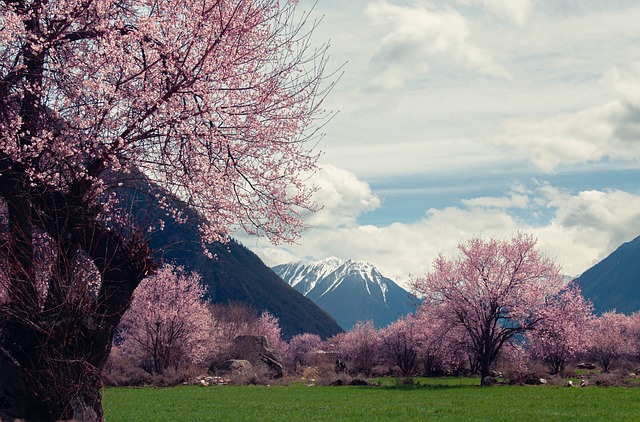
Cherry blossom viewing, or hanami, stands as one of Japan’s most cherished traditions. Every spring, millions of visitors from around the world journey to Japan to witness the breathtaking spectacle of sakura in full bloom. While cherry trees grace countless locations throughout the Japanese archipelago, certain sites have earned legendary status for their exceptional beauty, historical significance, and sheer scale.
Drawing from over 30 years of experience in Japan’s flower industry, I’ve had the privilege of visiting many of these magnificent locations during peak bloom season. This guide presents ten of the most spectacular cherry blossom viewing destinations across Japan, each offering its own unique character and unforgettable scenery. From ancient mountain temples adorned with thousands of trees to modern urban waterways transformed into pink tunnels, these sites represent the finest expressions of Japan’s sakura culture.
- Why These Cherry Blossom Spots Are Special
- 1. Yoshino Mountain, Nara – The Sacred Mountain of 30,000 Cherry Trees
- 2. Hirosaki Castle Park, Aomori – Northern Japan’s Pink Paradise
- 3. Takato Castle Ruins Park, Nagano – Home to Rare Kohigan Cherry Blossoms
- 4. Meguro River, Tokyo – Urban Cherry Blossom Tunnel
- 5. Philosopher’s Path, Kyoto – A Meditative Walk Under Cherry Canopy
- 6. Himeji Castle, Hyogo – Cherry Blossoms Frame Japan’s White Castle
- 7. Kawazu Town, Shizuoka – Early Blooming Pink Cherry Paradise
- 8. Miharu Takizakura, Fukushima – Japan’s Most Famous Weeping Cherry Tree
- 9. Kumamoto Castle, Kumamoto – Historic Castle Meets Cherry Splendor
- 10. Shinjuku Gyoen National Garden, Tokyo – Diverse Cherry Varieties in One Place
- Best Time to Visit Each Location
- Tips for Planning Your Cherry Blossom Trip
- Conclusion
Why These Cherry Blossom Spots Are Special
Not all cherry blossom viewing sites are created equal. The locations featured in this guide have been selected based on several distinguishing factors that elevate them above ordinary viewing spots.
First, these sites showcase exceptional scale and density of cherry trees. Rather than a handful of specimens, these locations feature hundreds or even thousands of trees creating overwhelming displays when in bloom. Second, many possess deep historical and cultural significance, with trees that have been protected and cherished for generations. Third, they offer distinctive viewing experiences that cannot be replicated elsewhere, whether through unique cherry varieties, dramatic natural settings, or thoughtfully designed landscapes.
Several of these locations have earned recognition as part of Japan’s “Three Great Cherry Blossom Viewing Spots” or been designated as natural monuments by prefectural or national governments. This official recognition reflects not only their beauty but also their importance to Japan’s natural and cultural heritage.
1. Yoshino Mountain, Nara – The Sacred Mountain of 30,000 Cherry Trees
Yoshino Mountain holds an almost mythical status among Japanese cherry blossom viewing sites. Located in the mountainous Yoshino region of Nara Prefecture, this UNESCO World Heritage site features approximately 30,000 cherry trees spread across the mountain slopes, creating one of the most spectacular sakura displays in all of Japan.
Unlike many modern cherry blossom sites dominated by Somei Yoshino cultivars, Yoshino Mountain primarily showcases Shiro Yamazakura (white mountain cherry), a native species with slightly paler blossoms that creates a more delicate, ethereal atmosphere. The trees are distributed across four distinct areas known as Shimo Senbon (lower thousand), Naka Senbon (middle thousand), Kami Senbon (upper thousand), and Oku Senbon (deep thousand), each positioned at different elevations.
This elevation difference creates an extended blooming period, typically lasting through much of April. As spring warmth gradually ascends the mountain, the bloom follows, allowing visitors to enjoy sakura at various stages throughout the month. The phrase “Hitome Senbon” (one thousand trees at a glance) describes the overwhelming view from certain vantage points where countless trees fill the entire visual field.
The cherry trees of Yoshino possess profound religious significance. They were originally planted as offerings to Zaō Gongen, the principal deity of Kinpusen-ji Temple, and have been protected as sacred trees for over a thousand years. This spiritual dimension adds depth to the viewing experience beyond mere aesthetic appreciation.
2. Hirosaki Castle Park, Aomori – Northern Japan’s Pink Paradise
Hirosaki Castle Park in Aomori Prefecture represents the pinnacle of cherry blossom viewing in northern Japan. The park contains approximately 2,600 cherry trees of 52 different varieties, creating a remarkably diverse and extended bloom period. The annual Hirosaki Cherry Blossom Festival attracts nearly two million visitors and has been called Japan’s most beautiful cherry blossom festival.
What distinguishes Hirosaki’s cherry trees from those elsewhere is their exceptional vigor and flower density. Even century-old Somei Yoshino specimens here produce four to five blossoms per bud, compared to three or fewer at most other locations. This remarkable productivity results from meticulous care provided by the park’s dedicated “sakura mori” (cherry guardians), who employ advanced pruning and cultivation techniques developed specifically for maximizing bloom quality.
The park’s most celebrated feature is the “hanaikada” (flower raft) phenomenon that occurs after peak bloom. As petals fall, they blanket the castle moats so densely that the water surface becomes completely hidden beneath a thick carpet of pink. This stunning sight has been featured in international media as one of Japan’s most photogenic natural phenomena.
Beyond Somei Yoshino, the park showcases seven specially selected double-flowered cherry varieties known as the “Hirosaki Seven Cherries” (Hirosaki Shichizakura), which bloom after the main Somei Yoshino season and extend the viewing period into early May. The juxtaposition of the elegant castle keep with surrounding cherry blossoms creates quintessentially Japanese scenes that have inspired countless artists and photographers.
3. Takato Castle Ruins Park, Nagano – Home to Rare Kohigan Cherry Blossoms
Takato Castle Ruins Park in Nagano Prefecture showcases Takato Kohigan Zakura, an endemic cherry variety found nowhere else in the world. This unique cultivar produces slightly smaller flowers with deeper pink coloration than common varieties, creating a distinctive appearance that has earned the park the designation as one of Japan’s “Three Great Cherry Blossom Viewing Spots.”
The park contains approximately 1,500 Takato Kohigan cherry trees, many exceeding 150 years in age. These ancient specimens were transplanted from the former castle’s riding grounds after the site was converted to a park in 1875. The cherry trees were officially named Takato Kohigan Zakura at the 1990 International Cherry Symposium held in Takato, where botanists confirmed them as a distinct cross between Mame Zakura and Edo Higan varieties.
The intense coloration of Takato cherry blossoms creates a more saturated pink atmosphere than found at sites dominated by paler Somei Yoshino varieties. When viewed en masse across the hillside castle ruins, the effect is breathtaking. The park has earned the historical designation “Tenka Daiichi no Sakura” (Japan’s Greatest Cherry Blossoms), a title granted by Meiji-era officials who proclaimed these the finest cherry blossoms in the land.
The most photographed location within the park is Ounnbashi Bridge, where visitors can photograph cherry blossoms with the snow-capped Central Alps mountains as a dramatic backdrop. The park typically reaches peak bloom in mid-April, with evening illumination transforming the scene into a magical pink dreamscape.
4. Meguro River, Tokyo – Urban Cherry Blossom Tunnel
The Meguro River flows through central Tokyo for approximately 8 kilometers, with a particularly spectacular 4-kilometer stretch lined by roughly 800 cherry trees. This urban waterway transforms each spring into one of Tokyo’s most popular hanami destinations, attracting hundreds of thousands of visitors during peak bloom.
The narrow upper section between Ikejiri Ohashi and Meguro creates an enclosed tunnel effect as cherry branches arch over the water from both banks. Walking beneath this floral canopy offers an immersive experience quite different from the open park settings of many other viewing sites. The reflection of blossoms on the water’s surface adds an additional layer of beauty.
The lower section toward Gotanda features wider banks with walking paths that allow for more leisurely strolling while viewing the blossoms. This area sees slightly less crowding than the photogenic tunnel section near Nakameguro Station. Throughout the viewing season, the riverside comes alive with food vendors, creating a festive atmosphere.
At night, pink bonbori lanterns illuminate the riverside in what has become an iconic image of Tokyo’s hanami culture. These distinctive pink lanterns can be sponsored by individuals who wish to have messages displayed along the river. The Nakameguro Cherry Blossom Festival, held on the last weekend of March, features performances and additional food vendors.
The Meguro River demonstrates how cherry blossoms can thrive and create beauty even in dense urban environments. The juxtaposition of traditional natural beauty with Tokyo’s modern cityscape creates a uniquely contemporary hanami experience that represents present-day Japanese cherry culture as much as any historical site.
5. Philosopher’s Path, Kyoto – A Meditative Walk Under Cherry Canopy
The Philosopher’s Path (Tetsugaku no Michi) in Kyoto offers one of Japan’s most contemplative cherry blossom experiences. This peaceful stone pathway follows a canal for approximately 2 kilometers through Kyoto’s Higashiyama district, lined by hundreds of cherry trees that form a continuous canopy overhead.
The path earned its name from Nishida Kitarō, one of Japan’s most influential philosophers, who walked this route daily in meditation. The atmosphere remains conducive to quiet reflection, particularly during weekday mornings before the main crowds arrive. The gentle sound of flowing water and filtered light through cherry blossoms creates an almost otherworldly ambiance.
The path connects several significant temples and shrines, including Ginkaku-ji (Silver Pavilion) at the northern end and Nanzen-ji Temple to the south. This makes it possible to combine cherry viewing with visits to important cultural sites, creating a rich half-day or full-day excursion. Many visitors begin at Ginkaku-ji and walk southward, allowing gentle downhill walking with the canal on the right side.
Cherry petals floating on the canal’s clear water create scenes of ephemeral beauty that epitomize mono no aware, the Japanese aesthetic appreciation of impermanence. Photography enthusiasts particularly treasure the brief period after peak bloom when petals carpet the water’s surface while trees above still retain some blossoms.
Small cafes and shops along the path offer opportunities to rest and enjoy refreshments while contemplating the blossoms. The path sees its highest crowds during weekend afternoons in peak season, so early morning or late afternoon visits offer more peaceful experiences.
6. Himeji Castle, Hyogo – Cherry Blossoms Frame Japan’s White Castle
Himeji Castle, designated as both a National Treasure and UNESCO World Heritage site, ranks among Japan’s most magnificent surviving feudal castles. The castle grounds contain over 1,000 cherry trees, creating spectacular contrasts between white castle walls and pink blossoms.
The most photographed viewpoint places the elegant white keep behind a foreground of flowering cherry branches, a composition that has appeared on countless travel posters and postcards. The castle’s nickname “White Heron Castle” (Shirasagi-jō) refers to its brilliant white plastered walls, which seem to float above pink clouds of cherry blossoms during peak bloom.
The castle grounds offer multiple distinct viewing areas. The approach from Otemae Park provides impressive distant views with cherry trees framing the castle keep. Within the castle grounds, the western bailey area features dense concentrations of cherry trees. The inner bailey near the keep allows viewing blossoms from elevated positions while exploring the castle’s defensive architecture.
Evening illumination during cherry season dramatically transforms the scene. The castle walls glow white against the night sky while strategically placed lights bring the cherry blossoms to vivid life. This nighttime presentation draws photographers seeking to capture the magical atmosphere.
The Himeji Castle Cherry Blossom Festival typically occurs during the first week of April, with various cultural performances and tea ceremonies held within the grounds. The combination of Japan’s most beautiful castle with spectacular cherry blossoms creates an experience that embodies traditional Japanese aesthetic ideals.
7. Kawazu Town, Shizuoka – Early Blooming Pink Cherry Paradise
Kawazu Town on the Izu Peninsula provides Japan’s earliest major cherry blossom viewing opportunity. The unique Kawazu-zakura cherry variety blooms from late February through early March, approximately one month before Somei Yoshino varieties elsewhere. This early timing allows cherry enthusiasts to extend their viewing season significantly.
Kawazu-zakura produces larger, more deeply pink flowers than standard varieties, creating an especially vibrant display. The trees along the Kawazu River form the festival’s centerpiece, with approximately 850 mature cherry trees creating a pink tunnel effect along the 4-kilometer riverside walk. The contrast between pink blossoms and yellow canola flowers planted along the riverbank creates particularly striking color combinations.
The month-long Kawazu Cherry Blossom Festival attracts over one million visitors annually, remarkable for a small town of approximately 7,000 residents. Festival food stalls line the riverside, offering local specialties including wasabi products and fresh seafood from nearby coastal waters.
The extended bloom period distinguishes Kawazu from most other sites where flowers last only 7-10 days. Individual blossoms remain on trees for approximately one month, though peak beauty occurs roughly mid-festival when trees reach full bloom. This longer season provides more flexibility for planning visits compared to the brief and somewhat unpredictable windows at other locations.
Nearby Kawazu Seven Waterfalls provide additional natural beauty that can be combined with cherry viewing in a single visit. The area’s hot springs offer relaxation after walking the riverside trail, making Kawazu an ideal destination for overnight stays during early spring.
8. Miharu Takizakura, Fukushima – Japan’s Most Famous Weeping Cherry Tree
Miharu Takizakura stands as one of Japan’s Three Great Cherry Trees and arguably the most magnificent individual cherry tree in the nation. This ancient weeping cherry tree estimated at over 1,000 years old creates a cascading waterfall effect when in full bloom, with branches spreading over 25 meters in diameter.
The tree’s official name, Benishidare Takizakura (Red Weeping Waterfall Cherry), perfectly describes its appearance. Countless pink blossoms on drooping branches create the impression of a pink waterfall frozen in mid-cascade. The tree was designated a National Natural Monument in 1922, recognizing both its age and beauty.
Viewing Miharu Takizakura at its peak represents a pilgrimage for serious cherry blossom enthusiasts throughout Japan. The single tree attracts approximately 300,000 visitors during its roughly two-week bloom period in mid-April, with many arriving before dawn to photograph the tree in early morning light or staying through evening for illuminated views.
The tree grows on a hillside, allowing photographers to capture images from various angles and elevations. Late afternoon light, particularly when the setting sun backlights the blossoms, creates especially dramatic effects. The surrounding rice paddies reflect the pink canopy, doubling the visual impact.
Miharu Takizakura represents the ultimate expression of Japan’s reverence for individual trees of exceptional age and beauty. Standing beneath this ancient giant while pink petals drift down creates a profound connection to centuries of Japanese cherry appreciation and the ephemeral nature of beauty.
9. Kumamoto Castle, Kumamoto – Historic Castle Meets Cherry Splendor
Kumamoto Castle, one of Japan’s premier castles, features approximately 800 cherry trees throughout its extensive grounds. The castle suffered significant earthquake damage in 2016, and ongoing restoration work has added poignant symbolism to the annual cherry blooms, representing renewal and resilience.
The castle’s imposing stone walls and multi-tiered keep create dramatic backdrops for cherry viewing. The contrast between massive gray stonework and delicate pink blossoms exemplifies traditional Japanese aesthetic principles that appreciate juxtapositions of strength and gentleness. The castle’s nickname “Ginnan Castle” (Ginkgo Castle) derives from large ginkgo trees within the grounds, which provide autumn color after spring’s cherry display.
Despite earthquake damage to several buildings, the main approaches and significant portions of the grounds remain accessible for cherry viewing. The famous “Musha-gaeshi” (warrior-repelling) curved stone walls provide particularly photogenic settings when framed by flowering cherry branches. These walls, designed to resist siege warfare, now serve as testament to endurance and beauty.
Evening illumination during cherry season continues annual traditions suspended only briefly after the 2016 earthquake. The castle structures and surrounding cherry trees receive artistic lighting that emphasizes their forms while creating atmospheric effects. Many local residents consider the continuation of these illuminations as symbols of Kumamoto’s recovery and determination.
The Kumamoto Castle Cherry Blossom Festival includes traditional performances and food vendors throughout the viewing season. Visitors can observe ongoing restoration work while enjoying cherry blossoms, making the experience both beautiful and historically significant.
10. Shinjuku Gyoen National Garden, Tokyo – Diverse Cherry Varieties in One Place
Shinjuku Gyoen offers something most other cherry viewing sites cannot match: exceptional diversity of cherry varieties all in one accessible location in central Tokyo. The garden contains over 1,000 cherry trees representing more than 65 different varieties, creating an extended bloom period from late March through late April.
This extraordinary variety allows visitors to appreciate the subtle differences between cherry cultivars. Early-blooming varieties like Kanzakura welcome spring in late March, followed by classic Somei Yoshino in early April, then later-blooming Ichiyo and Kanzan varieties that continue the display into late April. Each variety presents unique characteristics in flower form, color, and tree shape.
The garden’s formal design provides well-maintained lawns perfect for picnic-style hanami. Unlike most Tokyo parks where ground sheets and alcohol create festive but crowded atmospheres, Shinjuku Gyoen prohibits alcohol and maintains more peaceful, contemplative conditions. This makes it particularly appealing for families, photographers, and those seeking quieter cherry blossom experiences.
Three distinct garden styles within Shinjuku Gyoen showcase cherry trees in different contexts. The French Formal Garden features orderly rows and manicured lawns, the English Landscape Garden presents more naturalistic settings, and the Traditional Japanese Garden places cherry trees near tea houses and ponds. This diversity provides varied photographic opportunities and viewing experiences.
The garden’s central Tokyo location makes it exceptionally accessible via Shinjuku Gyoen-mae, Shinjuku Sanchome, or Sendagaya stations. This convenience combined with variety and relatively peaceful atmosphere makes Shinjuku Gyoen an ideal destination for first-time visitors to Japan or those with limited time seeking quality cherry viewing experiences.
Best Time to Visit Each Location
| Location | Typical Peak Bloom | Duration | Elevation/Climate Notes |
|---|---|---|---|
| Yoshino Mountain | Early to late April | 3-4 weeks | Elevation creates extended season |
| Hirosaki Castle | Late April to early May | 7-10 days | Northern location delays bloom |
| Takato Castle | Mid-April | 7-10 days | Mountain setting, vivid color |
| Meguro River | Late March to early April | 7-10 days | Urban heat island effect |
| Philosopher’s Path | Early to mid-April | 7-10 days | Kyoto’s temperate climate |
| Himeji Castle | Early April | 7-10 days | Southern Honshu timing |
| Kawazu Town | Late February to early March | 4 weeks | Unique early-blooming variety |
| Miharu Takizakura | Mid-April | 7-10 days | Single ancient tree, high altitude |
| Kumamoto Castle | Late March to early April | 7-10 days | Southern Kyushu early bloom |
| Shinjuku Gyoen | Late March to late April | 4 weeks | Multiple varieties extend season |
Cherry blossom timing varies significantly from year to year based on weather patterns, particularly winter and early spring temperatures. Most locations provide updated bloom forecasts beginning in March through official websites and local tourism offices. Planning flexibility helps ensure catching peak bloom, as forecasts often shift by several days as actual bloom dates approach.
Tips for Planning Your Cherry Blossom Trip
Visit timing requires balancing several factors. Peak bloom offers maximum visual impact but also maximum crowds and highest accommodation costs. Visiting several days before or after official peak bloom can provide 80-90% of the beauty with significantly fewer crowds and lower costs.
Consider exploring multiple locations during one trip to maximize chances of experiencing peak bloom somewhere. The extended season from Kawazu’s late February bloom through Hirosaki’s early May display spans more than two months across Japan. Combining southern and northern locations, or early and late-blooming varieties, reduces timing risk.
Transportation between cherry blossom viewing sites becomes extremely crowded during peak season. Reserve trains and accommodations well in advance, particularly for popular weekend dates. The Japan Rail Pass offers excellent value for trips visiting multiple cities over 7-14 day periods.
Early morning visits provide several advantages: better lighting for photography, fewer crowds, and opportunity to see petals fallen overnight. Late afternoon offers golden hour lighting but accompanies the day’s peak crowds. Evening illumination at sites offering nighttime viewing creates entirely different atmospheric conditions worth experiencing separately from daytime visits.
Weather protection matters more than many international visitors expect. Spring in Japan often brings rain, particularly during the bloom period when weather patterns shift. Bringing rain gear and plastic ground sheets allows comfortable viewing regardless of conditions. Cool temperatures, especially in northern locations or at mountain sites, require warmer clothing than daytime spring weather might suggest.
Photography enthusiasts should bring equipment capable of capturing both wide landscape scenes and detailed close-ups of individual blossoms. A polarizing filter helps manage the bright spring light while enhancing color saturation in cherry blossoms and blue skies.
Conclusion
These ten spectacular cherry blossom viewing locations represent the pinnacle of Japan’s hanami culture, each offering unique experiences that justify their reputation among the nation’s finest sakura sites. From Yoshino Mountain’s sacred groves to Meguro River’s urban tunnel, from ancient Miharu Takizakura to diverse Shinjuku Gyoen, these destinations showcase the remarkable variety within Japan’s cherry blossom viewing traditions.
The brief blooming period of cherry blossoms—typically just 7-10 days at any single location—makes successful hanami timing both challenging and rewarding. This ephemeral quality lies at the heart of Japanese appreciation for sakura, embodying the Buddhist concept of impermanence and the poignant beauty of transient moments. Successfully timing a visit to witness peak bloom creates memories that resonate far beyond the experience itself.
Whether you’re a first-time visitor planning your initial encounter with Japan’s cherry blossoms or a returning enthusiast seeking new locations to explore, these ten sites promise unforgettable experiences. Each location combines natural beauty, cultural significance, and practical accessibility in ways that exemplify why cherry blossom viewing remains one of the world’s most sought-after seasonal travel experiences.
From a flower professional’s perspective, the care and attention Japanese communities devote to maintaining these cherry trees for public enjoyment reflects deep cultural values worth appreciating alongside the blossoms themselves. The trees you’ll encounter at these sites represent not just natural beauty but generations of dedicated cultivation and protection—a living heritage that continues to inspire wonder each spring.