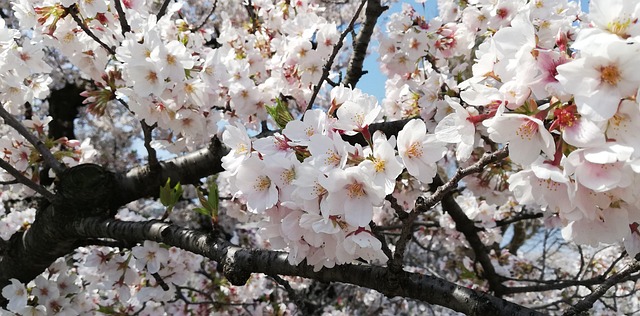
Every spring, millions of people across Japan drop everything to witness a simple natural phenomenon: cherry blossoms blooming for just one to two weeks. This national obsession with sakura transcends mere appreciation of beauty, representing a complex interweaving of philosophy, spirituality, literature, and social tradition that has shaped Japanese culture for over a millennium. Understanding why Japanese people love cherry blossoms so deeply requires exploring the profound cultural and emotional layers that these delicate flowers represent in Japanese society.
- The Historical Foundation of Japan’s Sakura Love
- The Science Behind the Synchronized Blooming
- Mono no Aware: The Philosophy Behind Cherry Blossom Appreciation
- Seasonal Rhythm and the Japanese Soul
- Cherry Blossoms in Japanese Literature and Art
- The Social Aspect: Hanami as Community Building
- Symbolism and Spiritual Significance
- Modern Japan and the Continuing Cherry Blossom Tradition
- How Cherry Blossoms Shape Japanese Identity
- Summary
The Historical Foundation of Japan’s Sakura Love
The Japanese relationship with cherry blossoms stretches back over 1,000 years, though it wasn’t always the nation’s primary floral focus. During the Nara period (710-794), the imperial court actually preferred plum blossoms imported from China, which carried aristocratic prestige and cultural sophistication.
The shift toward cherry blossom appreciation began during the Heian period (794-1185), Japan’s golden age of classical literature and court culture. This transition represented more than changing aesthetic preferences—it marked Japan’s movement toward developing its own distinct cultural identity, separate from Chinese influences.
Historical records show that cherry blossom viewing parties became established court activities during this period, with nobility gathering to compose poetry and celebrate the ephemeral beauty of the flowers. The tradition gradually spread from aristocratic circles to common people, becoming deeply embedded in Japanese social life.
The Science Behind the Synchronized Blooming
One remarkable aspect of Japan’s cherry blossom experience is how trees across entire regions bloom almost simultaneously—a phenomenon that creates the dramatic spectacle so central to Japanese spring culture. This synchronization has a fascinating scientific explanation rooted in how cherry trees, particularly Yoshino cherry (Somei Yoshino), are propagated.
Somei Yoshino accounts for 70-80% of cherry trees in Japan, and every single tree is a genetic clone descended from a single parent tree created during the late Edo period. Because Somei Yoshino cannot reproduce through seeds due to self-incompatibility, all trees have been propagated through grafting for over 150 years.
This clonal nature means that when weather conditions align—after sufficient winter chilling followed by warming spring temperatures—genetically identical trees respond identically, blooming in unison across the same climate zone. This synchronized blooming amplifies the emotional impact, creating the sense that nature itself participates in a coordinated celebration, making the collective viewing experience even more meaningful.
Mono no Aware: The Philosophy Behind Cherry Blossom Appreciation
Central to understanding Japanese cherry blossom love is the concept of mono no aware, which literally translates as “the pathos of things” or “the ‘ahh-ness’ of things.” This philosophical and aesthetic concept, articulated by 18th-century scholar Motoori Norinaga, captures the bittersweet awareness of the impermanence of all things.
Cherry blossoms embody mono no aware perfectly because they bloom brilliantly and then fall within just one to two weeks. Their brief moment of glory followed by inevitable decline creates a profound emotional response—not sadness exactly, but a deeper appreciation that comes from recognizing life’s fleeting nature.
As Norinaga explained, “To know mono no aware is to discern the power and essence, not just of the moon and the cherry blossoms, but of every single thing existing in this world, and to be stirred by each of them.” This philosophy suggests that beauty is heightened precisely because it cannot last forever.
Buddhist teachings reinforce this worldview through the concept of anicca (impermanence), encouraging acceptance of life’s transient nature not as tragedy but as fundamental truth. For Japanese people, cherry blossoms serve as an annual reminder of this spiritual principle, connecting them to deeper questions about existence and beauty.
Seasonal Rhythm and the Japanese Soul
Japan’s deep cultural connection to seasonal change makes cherry blossom season particularly meaningful. Unlike cultures that might view seasonal variation merely as weather patterns, Japanese tradition sees each season as bringing distinct emotional and spiritual qualities.
Since 2010, when the Japan Meteorological Agency ceased its cherry blossom forecasting operations, private weather companies like Weathernews, the Japan Weather Association, and others have competed to provide the most accurate predictions. The JMA continues observing and announcing actual bloom dates at designated specimen trees nationwide, while detailed bloom forecasts have become a thriving private sector business.
This creates fascinating public interest as multiple competing forecasts appear starting in January. The sakura front (cherry blossom front) travels from south to north across Japan, with companies releasing updated predictions weekly. This collective anticipation as communities wait for their moment of peak bloom creates shared national excitement that strengthens cultural bonds.
The brief window of cherry blossom beauty teaches patience, attention to natural cycles, and appreciation for fleeting moments. Peak bloom typically lasts less than two weeks in most regions, making the timing of hanami (flower viewing) parties both urgent and precious.
Cherry Blossoms in Japanese Literature and Art
Cherry blossoms have dominated Japanese artistic expression for centuries, appearing throughout classical poetry, literature, and visual arts. In haiku poetry, cherry blossoms serve as essential seasonal words (kigo) that immediately evoke spring and its associated emotions.
The traditional saying “Hana wa sakuragi, hito wa bushi” (Among flowers, the cherry blossom; among people, the warrior) perfectly captures how samurai culture intertwined with cherry blossom symbolism. Just as cherry blossoms scatter at their peak beauty, samurai were expected to accept death with grace and dignity—valuing quality over longevity, beauty over mere survival.
The world’s first novel, “The Tale of Genji” by Murasaki Shikibu, extensively features cherry blossom imagery as metaphors for human relationships and the passage of time. Scholar Motoori Norinaga later identified mono no aware as the central theme of this masterwork, demonstrating how cherry blossoms became vehicles for expressing profound philosophical and emotional truths.
Visual artists like Hiroshige and Hokusai created countless woodblock prints featuring cherry blossoms, establishing them as symbols of Japanese beauty and national identity. These artistic representations helped cement cherry blossoms as icons of Japanese cultural aesthetics recognizable worldwide.
The Social Aspect: Hanami as Community Building
Hanami (literally “flower viewing”) represents more than individual appreciation of beauty—it functions as crucial social bonding and community building. These gatherings bring together families, friends, colleagues, and even strangers under blooming trees, creating temporary communities united by shared wonder.
The Blue Tarp Ritual
One uniquely Japanese aspect of hanami culture is the elaborate “place-saving” ritual involving blue tarps (blue sheets). In popular viewing spots, company employees—often junior staff members—arrive at dawn or earlier to spread out large blue tarps, then sit guard for hours until colleagues arrive for the actual party.
This practice, while sometimes controversial in modern discussions about work-life balance, demonstrates remarkable dedication to group harmony. Some office workers arrive as early as 5:30 AM, bringing sleeping bags, snacks, and entertainment to endure hours of waiting. The sight of Tokyo’s parks blanketed in blue tarps before sunrise has become a distinctive visual symbol of Japanese hanami culture.
Traditional hanami parties involve spreading these tarps under cherry trees, removing shoes, and sharing food and drink while surrounded by falling petals. Companies organize hanami gatherings for employees, schools hold hanami picnics, and families pass down viewing traditions across generations.
The collective nature of hanami reinforces social harmony and shared cultural values. Unlike private garden contemplation, hanami is inherently communal, reflecting Japanese emphasis on group participation and shared experiences.
During peak season, popular spots like Ueno Park in Tokyo and Hirosaki Castle Park in Aomori attract millions of visitors. At Hirosaki, over 2 million people visit during the cherry blossom festival, transforming the historic castle grounds with approximately 2,600 cherry trees into a massive celebration of spring’s arrival.
Symbolism and Spiritual Significance
Cherry blossoms carry layered symbolic meanings in Japanese culture, representing themes of renewal, mortality, and spiritual awakening. Their association with spring connects them to new beginnings—school years, business cycles, and personal transitions all align with cherry blossom season.
Historical connections to samurai culture added deeper symbolic weight. Cherry blossoms represented the ideal samurai life: beautiful, noble, and brief. The willingness to scatter at the peak of beauty rather than wither on the branch embodied the samurai philosophy of accepting death with grace.
In Shinto beliefs, cherry blossoms embody the presence of kami (spiritual essence) in nature, making hanami partially a spiritual practice of connecting with natural forces. Buddhist interpretations emphasize acceptance of impermanence as pathway to enlightenment.
The spiritual dimension explains why cherry blossom viewing often involves quiet contemplation alongside celebration. People report feeling profound peace and connection while sitting under blooming trees, describing experiences that transcend mere aesthetic appreciation.
Modern Japan and the Continuing Cherry Blossom Tradition
Despite rapid modernization and urbanization, cherry blossom love remains remarkably strong in contemporary Japan. Social media has actually intensified the phenomenon, with cherry blossom photos trending annually across platforms and creating new forms of digital hanami sharing.
Modern conveniences like private sector weather forecasting and transportation make cherry blossom viewing more accessible than ever. Special trains run to famous viewing spots, hotels offer cherry blossom packages, and even convenience stores sell sakura-flavored seasonal products during bloom season.
Young Japanese people continue embracing hanami traditions while adapting them to modern lifestyles. University students organize elaborate hanami parties, and young professionals coordinate viewing schedules through messaging apps, demonstrating how ancient traditions evolve while maintaining core meaning.
Urban planners deliberately include cherry trees in city designs, ensuring that even Tokyo’s concrete landscape bursts into pink beauty each spring. This commitment to maintaining cherry blossom experiences in modern environments shows their continued cultural importance.
How Cherry Blossoms Shape Japanese Identity
Cherry blossoms function as more than seasonal decoration—they actively shape Japanese national and cultural identity. International visitors often cite cherry blossom experiences as their most memorable encounters with Japanese culture, recognizing something distinctly Japanese in the collective appreciation of ephemeral beauty.
The annual cherry blossom cycle provides a cultural reset that connects all Japanese people regardless of age, location, or social status. From Hokkaido to Kyushu, the entire nation participates in the same natural rhythm, creating shared cultural moments that reinforce national unity.
Famous viewing spots become pilgrimage destinations that connect people to Japanese history and aesthetics. Locations like Yoshino Mountain in Nara, with its 30,000 cherry trees, and Maruyama Park in Kyoto preserve traditional hanami experiences while accommodating modern visitors.
The international spread of cherry blossom appreciation, from Washington DC’s Tidal Basin to cherry blossom festivals worldwide, demonstrates how this distinctly Japanese cultural practice resonates across cultures while remaining fundamentally Japanese in its philosophical depth.
Summary
Japanese love for cherry blossoms emerges from a unique convergence of philosophy, spirituality, literature, art, and social tradition that has evolved over more than a millennium. The concept of mono no aware provides the philosophical foundation, teaching that awareness of impermanence heightens rather than diminishes appreciation of beauty.
The scientific reality that Somei Yoshino trees are genetically identical clones—allowing synchronized blooming across entire regions—amplifies the dramatic impact of the viewing experience, creating a sense of coordinated natural celebration that strengthens the emotional resonance.
Cherry blossoms offer annual opportunities to practice mindfulness, build community connections through distinctive rituals like blue tarp place-saving, and participate in cultural continuity that links contemporary Japanese people to their historical roots. The brief blooming period creates urgency that transforms casual flower viewing into profound cultural experience.
This deep appreciation extends beyond mere aesthetics to encompass spiritual, social, and philosophical dimensions that shape Japanese identity and worldview. The connection to samurai values of graceful acceptance of mortality, combined with Buddhist teachings about impermanence, creates layers of meaning that elevate cherry blossom viewing from simple nature appreciation to contemplation of life’s fundamental truths.
Understanding why Japanese people love cherry blossoms so much reveals insights into values of impermanence, community, natural harmony, and finding profound meaning in fleeting moments of beauty. The enduring power of cherry blossoms in Japanese culture demonstrates how natural phenomena can become vehicles for expressing fundamental human experiences of time, beauty, mortality, and connection. Their annual return provides reliable anchor points in rapidly changing modern life while preserving ancient wisdom about living fully in temporary moments.