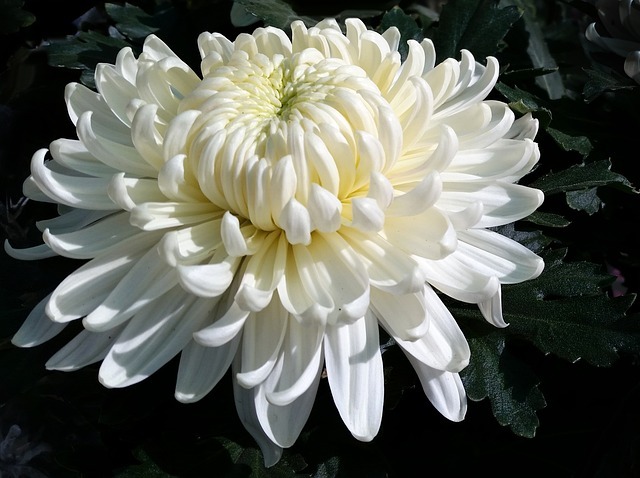
When you think of Japan’s representative flowers, cherry blossoms might come to mind first. However, the chrysanthemum holds an equally significant position in Japanese culture, serving as the emblem of the imperial family. Although Japan has no legally designated national flower, the chrysanthemum functions as the de facto national emblem, appearing on official government documents and representing imperial authority. This autumn-blooming flower transcends mere botanical beauty to embody centuries of tradition, sovereignty, and cultural meaning.
The connection between the chrysanthemum and Japan’s imperial family is not simply decorative. It represents an unbroken lineage spanning over eight centuries. From the Chrysanthemum Throne itself to the golden emblem on every Japanese passport, this flower’s presence permeates modern Japanese society while maintaining deep roots in historical tradition. Understanding why the chrysanthemum occupies this special position reveals insights into Japanese history, the evolution of imperial symbolism, and the cultural values that continue to shape the nation today.
The Historical Journey of Chrysanthemums to Japan
Chrysanthemums originated in China, where they were cultivated for both medicinal and culinary purposes for thousands of years. The flower made its way to Japan during the Nara period, arriving sometime between 710 and 794 CE. Historically, the flower was valued primarily for its health-promoting properties, and the aristocracy believed chrysanthemums could extend life and promote longevity, though these were cultural beliefs rather than established medical facts.
The Heian period witnessed the chrysanthemum’s transformation from medicine to cultural treasure. The flower began appearing frequently in poetry collections, most notably the Kokin Wakashū anthology compiled between 794 and 1185. This shift indicated that the imperial court had embraced chrysanthemums not only for their purported therapeutic benefits but also for their aesthetic appeal. The flower became associated with autumn, refinement, and the aristocratic class.
During the early Edo period, chrysanthemum cultivation experienced a remarkable boom. Enthusiastic growers developed numerous new varieties, creating the diverse array of forms and colors we see today. This horticultural innovation led to elaborate display traditions, including carefully arranged flower beds and even chrysanthemum dolls shaped to resemble human figures. Interestingly, some of these new Japanese varieties were later exported back to China and eventually reached Europe during the late Edo and early Meiji periods, sparking international interest in the flower.
The Imperial Chrysanthemum Crest: Symbol of the Royal Family
Origins of the Imperial Seal
The chrysanthemum’s elevation to imperial symbol occurred during the early Kamakura period, specifically between 1185 and 1333. Emperor Go-Toba, who reigned from 1183 to 1198, played the pivotal role in this transformation. A passionate art lover and accomplished poet, calligrapher, and even swordsmith, Go-Toba developed a deep fascination with the chrysanthemum’s elegant form and chose it as his personal emblem.
Go-Toba’s choice was particularly meaningful given his artistic sensibilities. He saw in the chrysanthemum a reflection of qualities he valued: refinement, endurance, and beauty that aligned with the strength of imperial rule. His decision to adopt the flower as his personal crest established a precedent that would become permanent for future emperors.
The formal establishment of the imperial chrysanthemum crest as the official emblem came much later, during the Meiji period. In 1926, the Imperial Household Ceremony Regulations provided detailed diagrams defining the exact design specifications, cementing its official status as the imperial family’s symbol.
The 16-Petal Chrysanthemum Design
The Emperor’s personal imperial crest features a highly specific design: a chrysanthemum with 16 petals in the front row and 16 petal tips visible from a second, staggered row behind, creating what is known as the 16-petal double chrysanthemum (十六八重表菊). The flower is typically rendered in yellow or orange with black or red outlines against a contrasting background. This distinctive double-layered design became exclusively reserved for the Emperor during the Meiji period.
Other members of the imperial family use slightly modified versions of the crest. Most commonly, they employ a simplified design with 14 single petals rather than the full 16-petal double design. This distinction maintains the Emperor’s unique position while allowing the imperial family to display their connection to the throne.
Importantly, the version appearing on items that represent imperial authority but are not exclusive to the Emperor himself uses a different design: the 16-petal single chrysanthemum (十六一重表菊). According to the official regulations, this single-layer design appears on Japanese passports, Diet members’ pins, and various official orders and decorations, making the chrysanthemum a visible symbol of Japanese sovereignty that millions encounter regularly (Wikipedia: Imperial crest of Japan).
This distinction between the Emperor’s double-petal design and the government’s single-petal design represents an important hierarchical differentiation in Japanese imperial symbolism.
Chrysanthemums in Imperial Ceremonies and Traditions
Chrysanthemum Festival at the Imperial Palace
The connection between chrysanthemums and the imperial family extends beyond static symbolism into living tradition. In 1878, Emperor Meiji established an exclusive garden party specifically for viewing chrysanthemums cultivated in imperial gardens. This event marked the beginning of what would become an enduring autumn tradition.
By 1929, the venue for this imperial chrysanthemum viewing shifted to what is now Shinjuku Gyoen National Garden in Tokyo. For nearly a century, gardeners at Shinjuku Gyoen have perfected the art of growing and displaying chrysanthemums using intricate traditional techniques. The annual Kiku Kadan-ten exhibition, held each November, continues this tradition, though it has evolved from an exclusive imperial gathering to a public event celebrating these remarkable flowers.
The Chrysanthemum Festival, known as Chōyō no Sekku, occurs on September 9 (the ninth day of the ninth month) and represents one of Japan’s five traditional seasonal celebrations. Originally imported from China, this festival celebrates the historical associations between chrysanthemums and longevity. The imperial family’s historical patronage of chrysanthemum-related events reinforced the flower’s special status in Japanese culture.
The Chrysanthemum Throne
The term “Chrysanthemum Throne” carries multiple meanings in Japanese imperial context. Most literally, it refers to the Takamikura, the actual physical throne used during enthronement ceremonies. This ancient throne, located in the Kyoto Imperial Palace, represents the oldest surviving throne used by the Japanese monarchy. The current structure was built in 1912 for Emperor Taisho’s enthronement ceremony.
The Takamikura sits dramatically on an octagonal platform raised five meters above the floor, separated from the rest of the ceremonial space by elaborate curtains. A sliding door adorned with paintings of 32 celestial saints provides additional privacy, creating an atmosphere of sacred authority. For the most recent enthronements of Emperors Akihito in 1990 and Naruhito in 2019, this historic throne was carefully dismantled, transported to Tokyo’s Imperial Palace, and reassembled for the ceremonies.
Beyond its physical form, the Chrysanthemum Throne serves as a metonym for the Japanese monarchy itself, similar to how “the Crown” represents the British monarchy. This abstract concept encompasses the Emperor’s constitutional role, the imperial lineage, and the legal authority of the Japanese government. According to legend, the Japanese monarchy was founded in 660 BCE, making Emperor Naruhito the 126th monarch to occupy the Chrysanthemum Throne in this continuous succession.
Cultural Significance Beyond the Imperial Family
The Supreme Order of the Chrysanthemum
Japan’s highest honor bears the chrysanthemum name and design, reinforcing the flower’s connection to ultimate achievement and recognition. The Supreme Order of the Chrysanthemum was established in two stages: the Grand Cordon in 1876 and the Collar in 1888, both during the Meiji period’s modernization efforts.
The order’s design incorporates chrysanthemum elements throughout its composition. The central badge features a rising sun symbolizing the national flag, surrounded by radiating sunlight wreathed with chrysanthemum flowers and leaves. The attachment between medal and ribbon takes the shape of a chrysanthemum flower. The collar itself features the characters “Meiji” in classical form, decorated with gold chrysanthemum blossoms and green-enameled leaves.
The Collar of the Supreme Order represents Japan’s most exclusive honor. Apart from members of the imperial family, only seven Japanese citizens have received the collar during their lifetimes, with the last such award going to former Prime Minister Saionji Kinmochi in 1928. Eight others have been posthumously decorated with the collar, with former Prime Minister Shinzo Abe receiving this honor in 2022 following his assassination (Wikipedia: Order of the Chrysanthemum). Today, only the reigning Emperor holds this dignity as sovereign of the order, though exceptions are made for foreign heads of state.
The Grand Cordon represents the highest honor a Japanese citizen can receive during their lifetime. As of recent records, a highly limited number of such awards have been granted to individuals outside the imperial family, underscoring the extreme selectivity of this recognition.
Chrysanthemums in Japanese Passports
Every Japanese citizen carries the imperial chrysanthemum symbol whenever they travel internationally. The 16-petal single chrysanthemum emblem appears prominently on the cover of Japanese passports, serving as a national emblem in a manner similar to a coat of arms in other countries (Nippon.com).
This widespread use of the chrysanthemum crest on passports creates an interesting contrast with its imperial origins. During the Meiji period, no one except the Emperor could use the full imperial crest. The modern application represents a democratization of this symbol, transforming it from an exclusively imperial marker into a broader representation of Japanese national identity and sovereignty. The use of the single-petal rather than double-petal design maintains the distinction between imperial exclusivity and governmental authority.
The chrysanthemum also appears on the 50-yen coin, over the doors of Japanese diplomatic facilities overseas, and on official government documents. This ubiquity ensures that the flower’s imperial connection remains visible in everyday Japanese life, reinforcing its role as both a historical symbol and a living element of contemporary national identity.
Chrysanthemum Symbolism in Japanese Culture
Longevity and Nobility
The chrysanthemum’s symbolic associations extend far beyond its imperial connections. In Japanese culture, the flower represents longevity, rejuvenation, and renewal. These meanings stem partly from the flower’s historical associations in traditional medicine, where it was culturally believed to promote good health and extend life, though these were beliefs of past eras rather than scientifically verified properties.
The association with nobility and refinement developed naturally from the flower’s adoption by the aristocracy and imperial family. The chrysanthemum’s elegant, perfectly ordered petals came to symbolize orderliness and perfection, reflecting cultural values of precision and aesthetic harmony. This symbolism appears throughout Japanese art, from kimono designs to ceramics and lacquerware.
Interestingly, the chrysanthemum also connects to the samurai code of bushido, representing qualities such as loyalty, honor, and resilience. Emperor Go-Toba’s personal involvement in sword-forging and his practice of marking blades with the chrysanthemum crest created a symbolic bond between the flower’s elegance and the warrior spirit. This association continues in modern Japan, where chrysanthemum motifs on high-quality swords reflect both craftsmanship and honor.
Autumn and the Seasons
As a quintessential autumn flower, the chrysanthemum serves as a seasonal marker in Japanese cultural traditions. The flower’s blooming period coincides with the transition from summer’s heat to autumn’s cooler temperatures, making it a symbol of seasonal change and the passage of time.
In Japanese seasonal poetry and art, chrysanthemums represent autumn alongside maple leaves and harvest imagery. The flower appears frequently in traditional crafts, particularly textile arts where chrysanthemum patterns symbolize both the autumn season and the longevity associated with the flower. These designs range from bold, vibrant interpretations to delicate, refined representations, each carrying the flower’s cultural weight.
The chrysanthemum’s dual nature as both a symbol of mourning and celebration creates interesting cultural complexity. While white chrysanthemums are associated with funerals and memorials in Japan, representing grief and honoring the deceased, vibrant colors like yellow, red, and purple carry positive meanings of happiness, love, and nobility. This nuanced symbolism requires careful consideration in gift-giving contexts, where color choice can completely alter the message conveyed.
Growing Imperial-Style Chrysanthemums
Cultivation Techniques
The chrysanthemums displayed at imperial-style exhibitions represent the pinnacle of horticultural achievement, requiring exceptional skill and months of dedicated care. These techniques were carefully guarded secrets for centuries, though recent cultural exchanges have begun sharing this knowledge internationally.
The cultivation process for exhibition chrysanthemums typically begins in spring with a single stem cutting from a mature plant. Through careful pinching and training, growers encourage specific branching patterns to create the desired forms. The ozukuri or “thousand bloom” style, for example, starts with one cutting that is systematically trained to produce hundreds of perfectly spaced blossoms from a single plant.
The ogiku or “single stem” technique produces towering plants that can reach six feet tall, supporting one perfect giant bloom at the top. These enormous flowers, often exceeding eight inches in diameter, require precise timing and nutrient management to achieve their impressive size while maintaining perfect symmetry.
The kengai or “cascade” style involves training branches through bamboo and wire lattices as the plant grows upward, then lowering the entire structure to create a waterfall effect of tumbling flowers. This technique requires constant attention throughout the growing season to ensure proper spacing and flowering.
Exhibition Varieties
Japanese chrysanthemums, or wagiku, are categorized into three basic size groups based on bloom diameter. Ōgiku, the large varieties exceeding 18 centimeters, are further subdivided into specialized categories. Atsumono feature thick, densely packed blooms. Kudamono display tubular or spidery petals. Ichimonji present flat blossoms with two overlapping rows of petals, directly modeling the imperial crest design (Nippon.com).
Medium-sized chūgiku, measuring between 9 and 18 centimeters, are commonly used in funeral arrangements. The smaller kogiku varieties, used in bonsai and garden beds, remain popular favorites for home cultivation.
Classic varieties developed during the Edo period, known as kotengiku, are particularly prized for their unique colors and shapes. These traditional forms represent centuries of selective breeding and cultural refinement. Modern exhibitions often feature both these classical varieties and contemporary innovations, demonstrating the continuing evolution of chrysanthemum cultivation while honoring historical traditions.
Major exhibitions, such as the annual Kiku Matsuri at Yushima Tenmangū shrine in Tokyo, attract over 100,000 visitors each November. These displays showcase more than 2,000 blossoms representing dozens of varieties, including flowers grown by local students alongside those cultivated by master growers. Such events keep the imperial chrysanthemum tradition alive and accessible to contemporary audiences.
Conclusion
The chrysanthemum’s special status in Japan emerges from a remarkable convergence of history, aesthetics, and imperial patronage. From its introduction as a Chinese medicinal plant over a millennium ago to its current position as the emblem adorning Japanese passports, this flower’s journey reflects Japan’s ability to adopt, adapt, and elevate cultural elements into uniquely Japanese traditions.
Emperor Go-Toba’s decision to embrace the chrysanthemum as his personal symbol in the Kamakura period initiated a tradition that would define the imperial family’s visual identity for centuries to come. The 16-petal chrysanthemum became more than just a beautiful flower; it evolved into a representation of imperial authority, national identity, and cultural values encompassing longevity, nobility, and refined beauty. The careful distinction between the Emperor’s exclusive double-petal design and the government’s single-petal version on passports and official documents demonstrates the sophisticated symbolism embedded in this seemingly simple floral motif.
Today, the chrysanthemum remains deeply woven into Japanese cultural fabric. It appears on the nation’s highest honor, the Supreme Order of the Chrysanthemum. It marks the sovereignty of Japanese passports through its single-petal design. It draws hundreds of thousands of visitors to autumn exhibitions celebrating centuries-old cultivation techniques. Through all these manifestations, the flower maintains its connection to the imperial family while also serving as a broader symbol of Japanese identity and seasonal beauty.
For visitors to Japan and admirers of Japanese culture worldwide, understanding the chrysanthemum’s imperial connection adds depth to encounters with this elegant flower. Whether viewing the elaborate displays at Shinjuku Gyoen, noticing the single-petal emblem on official documents, or simply appreciating the autumn blooms in Japanese gardens, recognizing the chrysanthemum’s special significance reveals layers of meaning that transcend mere botanical interest. This flower truly represents the enduring power of cultural symbols to connect past and present, tradition and innovation, imperial heritage and national identity.